Title: Time|Motion
Publisher: Dewi Lewis Publishing
Date: 2003
ISBN: 1-904587-04-6
Price: £14.99 hardback
Details: 96 pages, 60 photographs, 235mm x 165mm
Purchase directly from Dewi Lewis Publishing or Amazon
Time | Motion brings together the work of three photographers – Eadweard Muybridge, Jonathan Shaw and Harold Edgerton – whose work demonstrates the extraordinary potential of the photographic image to explore and capture movement and the passage of time.
In 1872 Eadweard Muybridge was challenged to produce a single image to reveal if there were moments when a trotting or galloping horse did not touch the ground. He developed a method to create sequences of instantaneous snapshots recording both the passage of time and movement, later expanding his cast of subjects to include both animals and humans. His findings were published in the revolutionary 11 volume Animal Locomotion (1887).
In 1931 Harold Edgerton combined the camera and the stroboscope to capture movements that are too fast to be seen by the naked eye, such as a bullet travelling at 1,800 miles per hour. Such is the power of these photographs that they have become classic visual images.
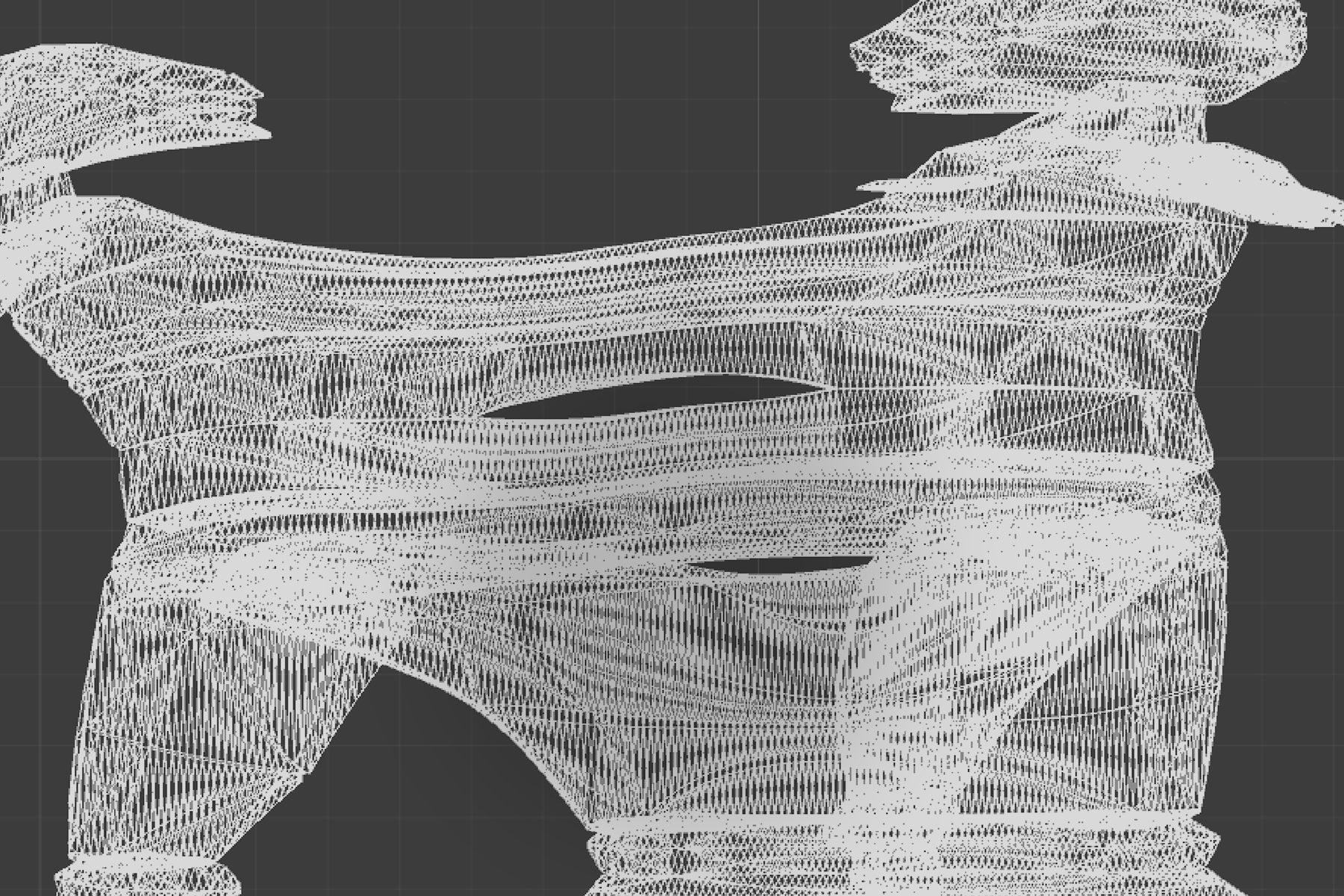
Like Muybridge and Edgerton, Jonathan Shaw’s work demands an engineer’s engagement with the form. He photographs the passage of time recreating our perception of movement as something liquid. From his earliest work Shaw has been designing, cannibalizing and building his own customized camera equipment to produce his strange yet somehow accurate images. Published in association with Birmingham Library Services and Birmingham Museums & Art Gallery.